
Snippet
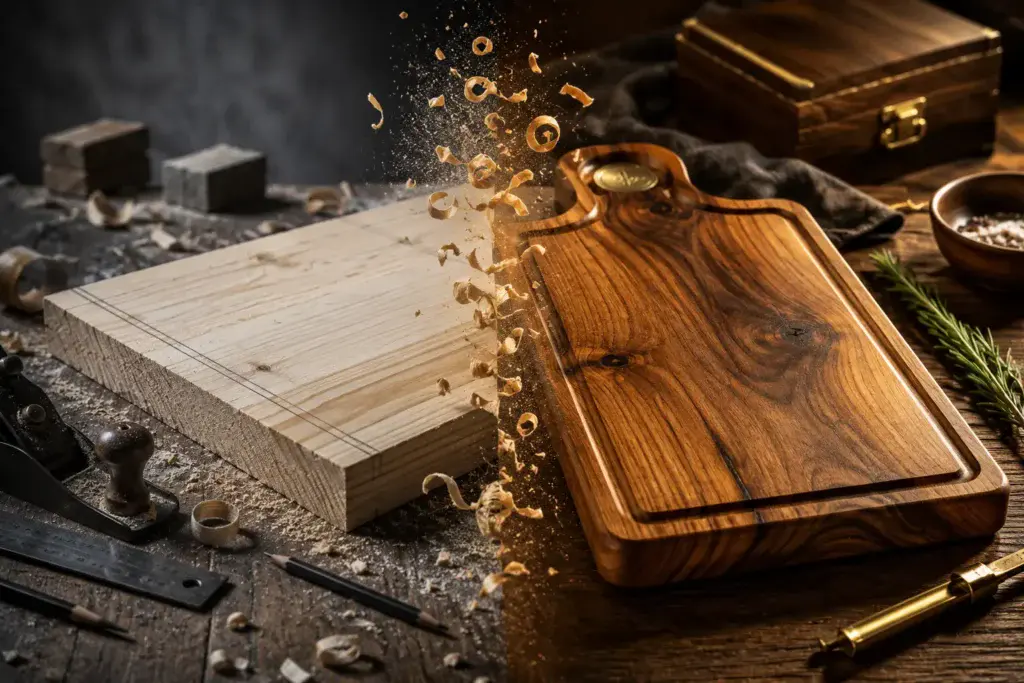
The best handmade gifts don’t have to cost a fortune—or require a professional workshop. In this guide, you’ll discover 35 easy woodworking gift project plans that combine affordable materials with timeless design, helping you create beautiful presents that look custom-made. Whether you’re building for Christmas, birthdays, weddings, anniversaries, or simply because you enjoy making something meaningful, these projects prove that thoughtful craftsmanship will always outshine a high price tag.
Table of Contents
- Why Handmade Woodworking Gifts Leave a Lasting Impression
- The Secret to Making Affordable Projects Look Expensive
- Essential Tools and Budget-Friendly Materials
- Must-Have Power Tools
- Essential Hand Tools
- Choosing Affordable Wood Species
- Hardware, Sandpaper, and Workshop Essentials
- 35 Easy Woodworking Gift Project Plans
- Gifts Under $10 (Projects 1–10)
- Gifts Under $25 (Projects 11–20)
- Premium-Looking Weekend Woodworking Gift Projects
- Projects 21–35
- Choosing the Perfect Gift for Different Recipients
- Professional Finishing Techniques That Make Every Project Shine
- Preparing Wood for a Flawless Finish
- Choosing the Right Finish
- Common Finishing Mistakes to Avoid
- Presentation and Packaging Tips
- Frequently Asked Questions
- Bonus: 10 Workshop Habits That Instantly Elevate Every Gift
- Products / Tools / Resources
Why Some Gifts Are Never Forgotten
Think back to the most meaningful gift you’ve ever received.
There’s a good chance it wasn’t the most expensive one.
It may have been something small. Something practical. Maybe even a little imperfect. Yet it carried something that no price tag could ever communicate—it was made with intention.
That’s the quiet magic of woodworking.
A handmade wooden gift isn’t simply an object. It represents hours spent measuring, cutting, sanding, adjusting, and refining until every piece fits together just right. Long before someone unwraps the gift, your time and care have already become part of it.
That alone makes it different.
In an age where almost everything can be ordered with a few taps on a phone and delivered the next day, handcrafted gifts have become surprisingly rare. Their rarity gives them weight. Their imperfections make them personal. Their durability allows them to become part of someone’s everyday life instead of disappearing into the back of a closet.
A simple wooden serving tray might appear at every family gathering.
A jewelry box could hold treasured keepsakes for decades.
A cutting board may become the one that’s reached for every evening while preparing dinner.
These projects don’t just occupy space.
They become part of people’s routines—and eventually, part of their memories.
You Don’t Need an Expensive Workshop
One misconception discourages more people from woodworking than almost anything else.
Many believe they need thousands of dollars’ worth of machinery before building gifts worth giving.
Fortunately, that’s simply not true.
Walk through the workshop of an experienced craftsperson, and you’ll often notice something surprising.
The fanciest tool isn’t necessarily responsible for the finest work.
Instead, beautiful woodworking usually comes down to a handful of fundamentals:
- Careful planning
- Accurate measuring
- Clean cuts
- Smooth surfaces
- Thoughtful design
- Patient finishing
Those skills matter far more than owning every new tool on the market.
Some of the projects in this guide require nothing more than basic lumber, a few common tools, and a free afternoon.
Others are perfect weekend builds that look as though they came from a boutique furniture maker.
All of them share one thing in common:
They deliver exceptional value without demanding an exceptional budget.
Why Handmade Wooden Gifts Feel So Valuable
There is an interesting psychological principle called the effort heuristic.
Without realizing it, people naturally assume that anything requiring significant time and skill must be valuable.
That’s exactly what happens with handmade woodworking.
Recipients don’t simply see a wooden box.
They imagine someone choosing the wood.
Cutting every piece.
Checking every measurement.
Sanding every surface until it feels silky smooth.
Applying finish one careful coat at a time.
Those invisible hours become part of the gift itself.
That’s why even modest woodworking projects often receive reactions that expensive store-bought products never do.
People aren’t responding only to the object.
They’re responding to the craftsmanship behind it.
Luxury Is Often Surprisingly Simple
Many beginner woodworkers believe expensive projects look impressive because they use exotic hardwoods.
Experienced builders know better.
Luxury usually comes from restraint.
Notice the furniture displayed in premium design stores.
You’ll rarely find unnecessary decoration.
Instead you’ll see:
- Balanced proportions
- Clean lines
- Beautiful grain
- Soft edges
- Tight joinery
- Carefully chosen finishes
Nothing feels excessive.
Everything feels intentional.
That same philosophy applies perfectly to woodworking gifts.
A beautifully finished phone stand built from inexpensive maple can look considerably more refined than an oversized project filled with decorative details that compete for attention.
Sometimes simplicity becomes the strongest design choice you can make.
What You’ll Discover in This Guide
As you work through these woodworking gift project plans, you’ll learn far more than a collection of project ideas.
You’ll discover how experienced woodworkers think.
You’ll learn why certain wood species consistently produce premium-looking results, how professional finishing techniques transform ordinary lumber into something extraordinary, and which small details quietly separate amateur projects from heirloom-quality craftsmanship.
You’ll also explore dozens of practical gift ideas suitable for nearly every occasion and every skill level—from quick afternoon builds to elegant weekend projects that recipients will proudly display for years.
Most importantly, you’ll see that beautiful woodworking has very little to do with spending more money.
It’s about making better decisions, slowing down when precision matters, and understanding that every careful detail contributes to something much larger than the finished project.
The wood may be inexpensive.
The result never has to look that way.
Part 2: The Secret Behind Affordable Projects That Feel Luxurious
If you’ve ever walked through a high-end furniture showroom, you’ve probably had the same thought most people do.
“There’s no way I could build something that looks like this.”
It’s an understandable assumption.
Beautiful wood.
Perfect proportions.
Silky finishes.
Everything looks polished, intentional, and expensive.
But here’s something that surprises many new woodworkers: the premium appearance of a handcrafted piece often has far less to do with the price of the materials than with the decisions made during the build.
Experienced woodworkers don’t chase expensive lumber.
They chase precision.
They understand that the smallest details—many of which cost nothing at all—shape how people perceive the finished piece.
That’s encouraging news because it means you don’t need an unlimited budget to create woodworking gifts that stop people in their tracks.
You simply need to know where quality really comes from.
The Difference Between “Homemade” and “Handcrafted”
People sometimes use these words interchangeably, but they create very different impressions.
A project that feels homemade often suggests something hurried or unfinished.
A project that feels handcrafted suggests intention, patience, and pride.
The materials might be identical.
The difference lies in execution.
Consider two simple wooden serving trays.
Both use inexpensive lumber.
Both require roughly the same amount of work.
One has uneven spacing, visible glue marks, rough edges, and a blotchy finish.
The other has perfectly aligned handles, crisp joinery, softly rounded edges, and a finish that enhances every grain line.
Most people will immediately assume the second tray cost several times more.
In reality, the extra value came from careful craftsmanship—not a larger budget.
Simplicity Is Often the Most Sophisticated Choice
When people first begin woodworking, there’s a temptation to make every project more elaborate.
More curves.
More decorative details.
More complicated joinery.
Yet if you study heirloom furniture or premium Scandinavian design, you’ll notice something different.
The finest pieces rarely compete for attention.
Instead, they allow proportion, balance, and natural wood to do the talking.
That philosophy works beautifully when building gifts.
Simple projects tend to:
- Age more gracefully
- Feel less cluttered
- Highlight natural grain
- Require fewer opportunities for mistakes
- Appeal to a wider range of decorating styles
A clean, beautifully finished valet tray often feels more luxurious than an overdecorated project with unnecessary embellishments.
Sometimes removing a detail creates a stronger design than adding another one.
Precision Is the Most Valuable Material You Can Use
Ask experienced woodworkers what separates average work from exceptional work, and you’ll hear the same answer repeatedly.
Accuracy.
Perfectly square corners.
Consistent spacing.
Flush joints.
Balanced proportions.
Smooth transitions.
None of these require expensive lumber.
They require patience.
Before moving to the next step in any project, pause and ask yourself a few simple questions.
- Does every piece fit exactly as intended?
- Are all corners square?
- Is every measurement consistent?
- Have I checked the alignment from multiple angles?
- Would this look professional if someone examined it closely?
These small pauses prevent countless mistakes.
More importantly, they create projects that feel intentional from every angle.
Why Surface Preparation Changes Everything
There’s a stage in woodworking that many beginners rush through.
Ironically, it’s also the stage that professionals often spend the most time on.
Surface preparation.
Wood has a remarkable ability to reveal every shortcut.
Tiny scratches become obvious once a finish is applied.
Small glue spots suddenly appear as pale patches.
Machine marks that seemed invisible now catch the light.
Taking the time to prepare every surface carefully transforms the entire project.
Work methodically.
Inspect the wood under bright light.
Run your hand across every surface.
Your fingertips will often discover imperfections long before your eyes do.
If something doesn’t feel right now, it certainly won’t disappear after finishing.
The Small Details That Quietly Communicate Quality
Luxury is rarely loud.
Instead, it’s communicated through subtle details that many people notice without consciously realizing why.
Professional woodworkers pay close attention to these finishing touches because they shape first impressions almost instantly.
Softly Rounded Edges
Sharp edges tend to feel unfinished.
A slight round-over creates a project that feels comfortable to hold while catching light more naturally.
It’s a tiny adjustment with a surprisingly large visual impact.
Consistent Grain Direction
Wood has movement.
Every board tells its own story through grain and texture.
Whenever possible, arrange neighboring boards so the grain flows naturally from one piece to the next.
This simple decision creates harmony that people instinctively associate with quality craftsmanship.
Hidden Fasteners
Visible screws aren’t always avoidable, but when they can be concealed, the overall appearance becomes dramatically cleaner.
Floating shelves, keepsake boxes, and serving trays all benefit from uninterrupted wood surfaces.
The fewer visual distractions, the more attention the grain receives.
Balanced Proportions
Have you ever looked at a piece of furniture and thought, “Something feels off,” without knowing exactly why?
Often, it’s proportion.
Handles positioned slightly too high.
Shelves that feel too thick.
Legs that appear too narrow.
Balanced dimensions create visual comfort, even when the viewer can’t explain the reason.
Good design often feels effortless because every proportion works together.
Choosing Affordable Wood That Looks Premium
Some wood species naturally lend themselves to elegant gift projects while remaining surprisingly affordable.
Knowing where to spend—and where to save—helps stretch your budget without sacrificing appearance.
Pine
Pine is one of the most accessible woods available.
Its warm color and visible grain make it ideal for rustic, farmhouse, and cottage-inspired gifts.
Excellent choices include:
- Decorative trays
- Candle holders
- Wall shelves
- Wooden crates
- Seasonal decorations
With careful sanding and the right finish, pine develops a warmth that feels inviting rather than inexpensive.
Poplar
Poplar is often overlooked, yet it’s one of the best choices for painted woodworking projects.
Its fine texture and stable grain produce crisp, clean surfaces that are perfect for:
- Keepsake boxes
- Children’s furniture
- Picture frames
- Desk organizers
- Decorative storage
Painted properly, poplar delivers a remarkably polished appearance.
Birch Plywood
Modern woodworking has embraced birch plywood for good reason.
It’s stable, strong, and exceptionally versatile.
High-quality sheets are ideal for:
- Laptop stands
- Drawer organizers
- Storage boxes
- Charging stations
- Office accessories
Rather than hiding the layered edges, many contemporary designers intentionally feature them as part of the finished look.
Maple
For projects that receive daily use, maple remains one of the finest choices.
Its dense, tight grain produces exceptionally smooth surfaces.
Popular maple projects include:
- Cutting boards
- Charcuterie boards
- Wooden utensils
- Coasters
- Kitchen accessories
Small projects require very little lumber, making maple surprisingly affordable.
Cedar
Few woods offer the sensory experience of cedar.
Its pleasant aroma adds another layer to the gift long after it’s been unwrapped.
Cedar works beautifully for:
- Jewelry boxes
- Closet organizers
- Memory boxes
- Decorative storage
The scent alone often becomes part of what makes the gift unforgettable.
Personalization Creates Emotional Value
Two identical gifts can evoke completely different emotions.
Imagine receiving a beautifully made cutting board.
Now imagine receiving that same cutting board engraved with your family name and the year you moved into your first home.
The object hasn’t changed.
The meaning has.
That’s the quiet power of personalization.
Simple additions can transform a practical woodworking project into something deeply personal.
Ideas include:
- Initials
- Wedding dates
- Anniversary dates
- Children’s names
- Favorite quotations
- Family recipes
- Geographic coordinates
- Handwritten messages transferred to wood
These details don’t just customize a project.
They give it a story.
And stories are what people remember long after they’ve forgotten how much a gift cost.
By now, you’ve seen that beautiful woodworking has far more to do with thoughtful decisions than expensive materials. Next, we’ll build on that foundation by looking at the essential tools and budget-friendly materials that allow almost anyone to create elegant woodworking gifts without overspending.
Part 3: Essential Tools and Budget-Friendly Materials
Walk into a professional woodworking shop, and it’s easy to feel overwhelmed.
Rows of machines.
Walls lined with specialty hand tools.
Cabinets filled with jigs you’ve never seen before.
At first glance, it can seem as though beautiful woodworking is reserved for people with unlimited space and unlimited budgets.
The truth is much more encouraging.
Many experienced woodworkers could walk into a modest garage workshop with only a handful of tools and still build gifts that look worthy of a gallery display.
Why?
Because tools don’t create craftsmanship.
They simply make craftsmanship possible.
The person holding the tool is still responsible for accuracy, patience, and attention to detail.
That’s good news for anyone just getting started.
You don’t need a dream workshop to create gifts people will treasure for years.
You simply need reliable tools, thoughtful materials, and a willingness to slow down when precision matters.
Start with the Tools You’ll Use Again and Again
Every workshop grows over time.
The mistake many beginners make is trying to buy everything at once.
Instead, build your collection the same way you’ll build your skills—one project at a time.
A few dependable tools will accomplish far more than a room full of expensive equipment you barely know how to use.
A Circular Saw: One of the Most Versatile Investments
If you could own only one major power tool, a quality circular saw would deserve serious consideration.
Paired with a straight guide, it can produce surprisingly accurate cuts for projects such as:
- Serving trays
- Floating shelves
- Storage boxes
- Picture frames
- Gift crates
- Plant stands
For many hobby woodworkers, a circular saw provides outstanding flexibility without taking up much space.
As your skills grow, you’ll likely continue using it even after adding larger machines to your workshop.
A Miter Saw Makes Clean Cuts Feel Effortless
There’s something satisfying about perfectly square crosscuts.
They’re clean.
They’re repeatable.
And they make assembly noticeably easier.
A miter saw shines when building projects with multiple identical parts, including:
- Picture frames
- Candle holders
- Small boxes
- Decorative signs
- Coat racks
- Bookends
Accurate cuts reduce frustration later because every component fits together exactly as planned.
The Random Orbital Sander: Quietly One of the Most Important Tools
If there’s one tool that consistently transforms average-looking projects into premium-looking ones, it’s a random orbital sander.
Wood should invite people to touch it.
That smooth, almost silky feeling doesn’t happen by accident.
It comes from patient sanding.
A quality sander helps produce consistent surfaces while saving hours of manual work.
It’s equally valuable for:
- Hardwood
- Softwood
- Plywood
- Curved edges
- End grain
- Large flat surfaces
Remember, though, that even the best sander has limits.
Pressing too hard usually creates more problems than it solves.
Let the abrasive do the work.
Your job is simply to guide it.
A Cordless Drill Quickly Becomes Indispensable
Few tools see as much daily use as a cordless drill.
Beyond drilling holes and driving screws, it becomes essential for installing hardware, assembling projects, and creating clean pilot holes that prevent wood from splitting.
Useful accessories include:
- Brad-point drill bits
- Countersink bits
- Forstner bits
- Driver bit assortment
- Pocket-hole driver
Having the right bit often matters more than having the most expensive drill.
A Compact Router Adds the Details People Notice
Many woodworking gifts look expensive because of subtle details rather than complicated construction.
A compact router creates many of those details.
With only a few router bits, you can:
- Round over sharp edges
- Cut decorative profiles
- Create dados
- Form rabbets
- Flush-trim components
- Add elegant chamfers
These small refinements change how light interacts with the wood, making projects feel softer, more finished, and noticeably more professional.
Hand Tools Still Matter
Power tools remove material quickly.
Hand tools provide control.
Even experienced furniture makers often reach for simple hand tools during the final stages of a project because they allow tiny adjustments that machines simply can’t match.
A Combination Square
Accuracy begins long before the first cut.
A dependable combination square helps verify:
- Ninety-degree corners
- Layout lines
- Blade settings
- Fence alignment
- Hardware placement
It’s one of those humble tools that quietly prevents countless mistakes.
Sharp Chisels
A good chisel is remarkably versatile.
It cleans joints.
Refines corners.
Removes glue squeeze-out.
Adjusts tight-fitting parts.
Shapes small details.
The key word is sharp.
A sharp chisel cuts cleanly and predictably, requiring less force and providing much greater control.
A Block Plane
Some improvements are almost impossible to appreciate until you’ve experienced them.
Using a block plane is one of them.
It allows you to make tiny refinements that dramatically improve a project’s feel.
Perfect for:
- Breaking sharp edges
- Trimming end grain
- Fine-tuning joints
- Correcting small imperfections
These subtle adjustments often separate handcrafted work from factory production.
Clamps: The Workshop Essential You Never Seem to Have Enough Of
Ask almost any woodworker what they wish they’d bought sooner.
Clamps usually top the list.
Good clamping pressure helps produce:
- Strong glue joints
- Flat panels
- Proper alignment
- Cleaner assemblies
A basic collection might include:
- Bar clamps
- Quick-release clamps
- Spring clamps
- Corner clamps
As your workshop grows, your clamp collection almost certainly will too.
Choosing Materials That Stretch Your Budget
One of the smartest habits in woodworking is learning where to save money without sacrificing quality.
Fortunately, many affordable woods produce beautiful results when prepared carefully.
Pine: Friendly, Affordable, and Surprisingly Beautiful
Pine is often a beginner’s first woodworking material, and for good reason.
It’s easy to find, forgiving to work with, and well suited to dozens of gift projects.
Excellent uses include:
- Decorative trays
- Candle holders
- Wooden signs
- Shelves
- Seasonal décor
With careful sanding and a quality finish, pine develops a warm, inviting character that works beautifully in rustic, farmhouse, and Scandinavian-inspired designs.
Poplar: The Painter’s Favorite
Poplar isn’t known for dramatic grain, but that’s exactly what makes it ideal for painted projects.
Its smooth texture creates crisp surfaces for:
- Keepsake boxes
- Desk organizers
- Children’s furniture
- Storage bins
- Decorative shelves
If you’re aiming for a clean painted finish, poplar is difficult to beat.
Birch Plywood: Modern, Stable, and Versatile
High-quality birch plywood has earned a permanent place in modern woodworking.
Its layered construction provides excellent stability while allowing efficient use of material.
Popular projects include:
- Laptop stands
- Drawer organizers
- Storage boxes
- Charging stations
- Mail organizers
Many contemporary makers intentionally leave the layered edges exposed because they complement modern minimalist design.
Maple: A Small Luxury That Fits Almost Any Budget
Maple is often associated with premium furniture, yet small gift projects require surprisingly little material.
Its dense structure and fine grain make it especially well suited for:
- Cutting boards
- Charcuterie boards
- Wooden spoons
- Coasters
- Kitchen accessories
Once finished, maple develops a smooth, refined appearance that feels every bit as elegant as it looks.
Cedar: Beauty You Can See and Smell
Some gifts create an impression before they’re even touched.
Cedar is one of them.
Its warm color and unmistakable aroma make it a wonderful choice for:
- Jewelry boxes
- Memory boxes
- Closet accessories
- Decorative storage
Every time the lid is opened, the wood offers another reminder that this wasn’t an ordinary gift.
Hardware Can Elevate an Entire Project
Hardware is often overlooked until the very end.
That’s unfortunate because it has an enormous influence on how finished a project feels.
Instead of choosing the least expensive option, look for hardware that complements your design.
Popular choices include:
- Solid brass hinges
- Matte black handles
- Antique bronze knobs
- Leather pulls
- Decorative magnets
- Soft-close lid supports
- Hidden hinges
The cost difference is often minimal, but the visual impact can be dramatic.
Sandpaper Is More Important Than Most People Realize
Few workshop supplies offer a better return on investment than sandpaper.
A carefully sanded project feels different the moment someone picks it up.
Instead of racing through the process, work patiently through progressively finer grits.
Each stage removes the scratches left behind by the previous one, gradually revealing a surface that feels smooth, natural, and ready for finishing.
When you think you’re finished sanding, pause.
Run your hand across the wood.
Close your eyes if you have to.
Your fingertips are remarkably honest.
They’ll often detect roughness your eyes completely missed.
Don’t Overlook the Small Workshop Essentials
Some of the least expensive items in your shop will improve nearly every project you build.
Keep these within easy reach:
- Tape measure
- Steel ruler
- Marking knife
- Mechanical pencil
- Tack cloth
- Wood glue
- Painter’s tape
- Foam brushes
- Mixing cups
- Stir sticks
- Safety glasses
- Hearing protection
- Dust mask or respirator
Individually, they seem ordinary.
Collectively, they help produce cleaner, safer, and more consistent work.
With your workshop equipped and your materials selected, it’s time to put them to use. In the next section, you’ll discover 35 easy woodworking gift project plans organized by budget and skill level—projects designed to maximize visual impact while keeping material costs comfortably under control.
Part 4: 35 Easy Woodworking Gift Project Plans
You’ve chosen your tools.
You’ve picked your materials.
Now comes the part every woodworker looks forward to—the build itself.
The projects in this section are organized by budget, but don’t let the price fool you. Some of the least expensive builds on this list consistently receive the biggest reactions because they’re practical, beautifully designed, and used almost every day.
When a handmade gift becomes part of someone’s routine, it quietly becomes part of their life.
A cutting board that prepares family dinners.
A phone stand that’s used every morning.
A picture frame that holds a favorite memory.
That’s the real beauty of woodworking. You’re not just building an object. You’re creating something that continues to serve a purpose long after the wrapping paper has been thrown away.
Gifts Under $10
These projects require very little material, making them perfect for beginners or anyone wanting to create several gifts without stretching the budget.
1. Hardwood Drink Coasters
Skill Level: Beginner
Estimated Cost: Under $8
Few gifts offer as much versatility as a handcrafted set of wooden coasters.
They’re practical, attractive, and suitable for almost every home.
Simple design ideas include:
- Square coasters with softened corners
- Round coasters with chamfered edges
- Chevron patterns
- End-grain blocks
- Mixed hardwood designs
Adding cork to the underside protects furniture while giving the finished set a professional touch.
A food-safe oil or satin finish allows the natural grain to become the centerpiece of the design.
2. Rustic Candle Holders
Skill Level: Beginner
Estimated Cost: Under $10
Sometimes a single block of wood is all you need.
Drill evenly spaced recesses for tea lights, soften the edges, and apply a warm natural finish.
For additional character, consider:
- Live-edge lumber
- Burned decorative details
- Brass candle inserts
- Layered heights
- Contrasting wood species
Grouped together, they create a striking centerpiece for dining tables, shelves, or fireplaces.
3. Wooden Phone Stand
Skill Level: Beginner
Estimated Cost: Under $5
Modern life revolves around smartphones, making this one of the most practical gifts you can build.
Thoughtful features include:
- Comfortable viewing angle
- Charging cable opening
- Non-slip pads
- Rounded edges
- Compact footprint
Its simplicity is exactly what makes it so appealing.
4. Wooden Bottle Opener
Skill Level: Beginner
Estimated Cost: Under $8
Pair a solid hardwood handle with a quality stainless steel opener, and you have a gift that’s both useful and memorable.
Personalization instantly increases its sentimental value.
Ideas include:
- Initials
- Family name
- Wedding date
- Favorite saying
- Company logo
Small details like these transform an everyday tool into something uniquely personal.
5. Wooden Plant Markers
Skill Level: Beginner
Estimated Cost: Under $5
Gardeners appreciate gifts they’ll actually use.
Simple hardwood markers can identify herbs, vegetables, flowers, or houseplants while adding natural charm to any garden.
Popular finishing options include:
- Wood burning
- Permanent engraving
- Painted lettering
- Laser engraving
A weather-resistant finish helps them withstand the seasons.
6. Wall-Mounted Key Holder
Skill Level: Beginner
Estimated Cost: Under $10
Keys have an uncanny ability to disappear when you’re already running late.
A handcrafted key holder solves that problem while adding warmth to an entryway.
Consider including:
- Brass hooks
- Small shelf
- Decorative backboard
- Live-edge accent
- Personalized engraving
Practical gifts often become daily favorites because they’re appreciated over and over again.
7. Picture Frame
Skill Level: Beginner to Intermediate
Estimated Cost: Under $10
Photographs deserve better than generic plastic frames.
A handmade wooden frame immediately makes a favorite picture feel more important.
Adding decorative splines to the corners increases both strength and visual interest without making the project unnecessarily complicated.
8. Wooden Bookmark
Skill Level: Beginner
Estimated Cost: Under $3
Elegant, lightweight, and surprisingly satisfying to make.
A hardwood bookmark is ideal for readers who appreciate simple craftsmanship.
Enhance it with:
- Leather cord
- Wood-burned artwork
- Inspirational quote
- Decorative engraving
- Resin accent
Finished with natural oil, it feels warm and comfortable every time it’s picked up.
9. Desk Cable Organizer
Skill Level: Beginner
Estimated Cost: Under $8
Messy cables instantly make a workspace feel cluttered.
A compact cable organizer helps tame charging cords while adding a touch of natural wood to the desk.
Its usefulness ensures it won’t spend much time hidden in a drawer.
10. Wooden Christmas Ornament Set
Skill Level: Beginner
Estimated Cost: Under $10
Holiday decorations often become treasured family traditions.
Popular ornament ideas include:
- Snowflakes
- Trees
- Stars
- Reindeer
- Personalized family names
- Yearly commemorative ornaments
Imagine someone unpacking your ornament every December for the next twenty years.
That’s the kind of longevity handmade gifts can achieve.
Gifts Under $25
With a slightly larger budget, your design possibilities expand dramatically.
These projects still use affordable materials, yet many resemble handcrafted pieces sold in artisan markets and specialty home décor stores.
11. Edge-Grain Cutting Board
Skill Level: Beginner to Intermediate
Estimated Cost: Under $25
If there’s one woodworking gift that almost everyone appreciates, it’s a beautifully made cutting board.
Alternating wood species create attractive patterns while showcasing careful craftsmanship.
Thoughtful upgrades include:
- Juice groove
- Finger grips
- Rounded corners
- Decorative edge profile
- Food-safe finish
With regular care, a quality cutting board can remain in daily use for decades.
12. Charcuterie Serving Board
Skill Level: Beginner
Estimated Cost: Under $20
Serving boards have become a staple of modern entertaining.
Their long, elegant shape highlights beautiful grain while providing a practical surface for cheeses, fruit, bread, and appetizers.
Enhancements might include:
- Leather hanging loop
- Decorative handle
- Juice groove
- Beveled edges
- Smooth satin finish
Simple construction allows the wood itself to become the focal point.
13. Keepsake Box
Skill Level: Intermediate
Estimated Cost: Under $25
Some gifts aren’t meant for everyday use.
They’re meant to protect life’s most meaningful possessions.
A handcrafted keepsake box can hold:
- Jewelry
- Letters
- Watches
- Baby keepsakes
- Family photographs
- Special mementos
Premium details such as brass hinges, felt lining, and hidden compartments elevate this project into something truly unforgettable.
14. Wooden Serving Tray
Skill Level: Intermediate
Estimated Cost: Under $20
A serving tray combines beauty with function.
Whether carrying breakfast, serving coffee, or displaying candles, it’s a project that naturally becomes part of the home.
For a more refined appearance, consider adding:
- Hardwood handles
- Brass hardware
- Mitered corners
- Decorative inlays
- Protective feet
The cleaner the design, the more timeless it feels.
15. Floating Shelf
Skill Level: Intermediate
Estimated Cost: Under $20
Floating shelves continue to appear in homes of every style because they feel both modern and understated.
They’re perfect for displaying:
- Houseplants
- Framed photographs
- Books
- Candles
- Decorative accents
Hidden mounting hardware creates the illusion that the shelf is effortlessly suspended against the wall.
16. Balancing Wine Bottle Holder
Skill Level: Beginner
Estimated Cost: Under $15
This project never fails to spark curiosity.
At first glance, it seems impossible.
A single piece of wood supports a wine bottle at an angle, creating the illusion that it’s floating in midair.
It’s simple physics disguised as elegant design—and it makes a fantastic conversation starter.
17. Wooden Tablet Stand
Skill Level: Beginner
Estimated Cost: Under $15
Larger than a phone stand but just as practical, a tablet stand is useful in kitchens, workshops, and home offices.
Useful features include:
- Adjustable viewing angle
- Cable management
- Anti-slip feet
- Folding design for storage
A minimalist profile gives it a clean, contemporary appearance.
18. Wall-Mounted Mail Organizer
Skill Level: Intermediate
Estimated Cost: Under $25
Mail has a habit of piling up wherever there’s an empty surface.
A handcrafted organizer creates a designated place for everyday essentials.
Include compartments for:
- Letters
- Keys
- Wallet
- Sunglasses
- Small notebooks
It’s the kind of project people appreciate every single day.
19. Decorative Wooden Lantern
Skill Level: Intermediate
Estimated Cost: Under $20
Wood-framed lanterns add warmth and atmosphere to almost any room.
Use glass or clear acrylic panels along with battery-operated candles to create a safe and elegant decorative piece.
Simple joinery and clean proportions allow the craftsmanship to take center stage.
20. Wooden Cookbook Stand
Skill Level: Intermediate
Estimated Cost: Under $25
For anyone who enjoys cooking, a cookbook stand quickly becomes one of the most-used accessories in the kitchen.
A thoughtful design might include:
- Adjustable viewing angle
- Folding support
- Page holders
- Wide base for stability
The result is both functional and beautiful—a hallmark of great woodworking.
These first twenty woodworking gift project plans demonstrate an important lesson: thoughtful design consistently outperforms expensive materials. A carefully crafted gift doesn’t need to be large or complicated to make a lasting impression.
In the next part of this guide, we’ll explore 15 premium-looking weekend woodworking projects that require a little more time but reward you with heirloom-worthy gifts that recipients will treasure for years.
Part 5: Premium-Looking Weekend Woodworking Gift Projects (21–35)
Some woodworking projects ask for an afternoon.
Others invite you to slow down, clear your schedule, and enjoy an entire weekend in the workshop.
These are those projects.
They’re still affordable to build, but they offer more opportunities to refine details, experiment with joinery, and create gifts that feel like they belong in a handcrafted furniture gallery.
Don’t rush them.
The extra time you invest has a way of showing itself in the finished piece.
Sometimes not in obvious ways—but in the tiny details people instinctively notice the moment they pick it up.
21. Jewelry Box with a Hidden Compartment
Skill Level: Intermediate
Estimated Cost: Under $25
Few gifts feel as personal as a handcrafted jewelry box.
It’s beautiful before anything is placed inside, yet it becomes even more meaningful over time as it begins collecting memories.
A hidden compartment adds an unexpected element that transforms an attractive project into something unforgettable.
Consider including:
- Felt-lined interior
- Brass hinges
- Magnetic closure
- Ring storage
- Finger-jointed corners
- Secret compartment beneath the tray
The surprise doesn’t have to be elaborate.
Sometimes discovering a concealed space is enough to make the gift feel extraordinary.
22. Hardwood Watch Stand
Skill Level: Beginner to Intermediate
Estimated Cost: Under $15
For anyone who wears a watch daily, this simple project quickly becomes part of their evening routine.
Its purpose is straightforward, but thoughtful design makes all the difference.
A gently curved support wrapped in soft leather protects the watch while allowing the grain of the wood to remain the visual focal point.
Additional features might include:
- Ring holder
- Wallet tray
- Phone charging slot
- Key compartment
It’s compact, practical, and surprisingly elegant.
23. Desktop Valet Tray
Skill Level: Beginner
Estimated Cost: Under $20
Most people empty their pockets the moment they arrive home.
Keys.
Wallet.
Phone.
Coins.
Earbuds.
Without a designated place, those everyday essentials slowly migrate across countertops and bedside tables.
A handcrafted valet tray solves that problem while bringing warmth and organization to the space.
Shallow compartments, smooth curves, and carefully rounded edges give the project a premium feel that’s difficult to achieve with plastic organizers.
24. Wooden Bread Box
Skill Level: Intermediate
Estimated Cost: Under $25
A bread box feels wonderfully timeless.
Long before modern kitchens filled with appliances, handcrafted bread boxes quietly occupied countertops, keeping fresh loaves protected while adding natural beauty to the room.
Today’s versions combine traditional craftsmanship with clean, contemporary lines.
Features worth considering include:
- Roll-top door
- Ventilation slots
- Rounded edges
- Food-safe finish
- Finger pull instead of hardware
Its generous surfaces also provide an excellent opportunity to showcase attractive grain.
25. Luxury Wooden Pen Holder
Skill Level: Beginner
Estimated Cost: Under $10
Sometimes the smallest gifts make the strongest impression.
A well-designed pen holder doesn’t need elaborate decoration.
Beautiful proportions.
Smooth surfaces.
Clean edges.
That’s often enough.
Pair it with a quality fountain pen or mechanical pencil, and you’ve created a thoughtful gift that’s equally at home in an executive office or a cozy home workspace.
26. Floating Wine Bottle Rack
Skill Level: Intermediate
Estimated Cost: Under $20
Wine storage doesn’t have to be bulky.
A wall-mounted rack turns a practical necessity into an attractive display.
Ideas for enhancing the design include:
- Hidden wall brackets
- Glass storage slots
- Live-edge backboard
- Decorative chamfers
- Contrasting wood accents
Even when empty, it becomes part of the room’s décor.
27. Wooden Recipe Box
Skill Level: Beginner to Intermediate
Estimated Cost: Under $20
Some family recipes exist nowhere else.
They’re handwritten.
Folded.
Stained from years of use.
Passed quietly from one generation to the next.
A handcrafted recipe box protects those memories while giving them the place they deserve.
Thoughtful additions include:
- Sliding lid
- Brass label holder
- Dividers for categories
- Personalized engraving
- Rounded interior edges
Over time, the box becomes almost as meaningful as the recipes inside it.
28. Indoor Plant Stand
Skill Level: Intermediate
Estimated Cost: Under $25
Plants soften a room.
Wood does the same.
Bring the two together, and the result feels naturally harmonious.
A handcrafted plant stand works beautifully in:
- Living rooms
- Sunrooms
- Bedrooms
- Entryways
- Home offices
Whether you prefer Scandinavian simplicity, mid-century modern styling, or rustic farmhouse charm, the design can easily be adapted to complement the surrounding décor.
29. Hardwood Bookends
Skill Level: Beginner
Estimated Cost: Under $15
Books deserve something more substantial than thin metal supports.
Solid hardwood bookends add weight, warmth, and character to a bookshelf.
Creative variations include:
- Mountain silhouettes
- Forest scenes
- Animal profiles
- Geometric forms
- Minimalist blocks
- Live-edge designs
They’re functional pieces of art that quietly frame a favorite collection.
30. Wooden Wall Clock
Skill Level: Intermediate
Estimated Cost: Under $25
There’s something deeply satisfying about combining precision woodworking with precise timekeeping.
A handmade wall clock instantly becomes a focal point.
Design ideas include:
- Minimalist face
- Burned numerals
- Resin accents
- Mixed hardwood segments
- Floating hands
- Natural edge design
Install a dependable quartz movement, and the project becomes as reliable as it is beautiful.
31. Decorative Blanket Ladder
Skill Level: Intermediate
Estimated Cost: Under $25
Blanket ladders continue to appear in beautifully designed homes because they blend storage with understated elegance.
Leaned gently against a wall, they provide a place for:
- Throws
- Quilts
- Towels
- Decorative textiles
Simple construction allows careful proportions and attractive grain to take center stage.
32. Wooden Laptop Stand
Skill Level: Intermediate
Estimated Cost: Under $20
As more people work from home, thoughtful desk accessories have become increasingly valuable.
A wooden laptop stand improves viewing height while bringing warmth to an otherwise technology-filled workspace.
Useful features include:
- Ventilation openings
- Cable routing
- Folding design
- Non-slip feet
- Integrated storage shelf
It’s a practical gift that blends craftsmanship with everyday comfort.
33. Personalized Name Sign
Skill Level: Intermediate
Estimated Cost: Under $20
Few gifts feel as personal as something created specifically for one person.
Whether displayed in a nursery, workshop, office, or family room, a custom wooden name sign carries lasting sentimental value.
Popular techniques include:
- Scroll saw lettering
- CNC carving
- Laser engraving
- Wood burning
- Raised painted letters
Simple typography paired with quality wood often creates the strongest visual impact.
34. Wooden Chess or Checker Board
Skill Level: Intermediate to Advanced
Estimated Cost: Under $25
This project rewards patience.
Perfectly aligned squares.
Consistent grain.
Clean glue joints.
Every detail contributes to the finished appearance.
A chess or checker board is more than a game.
It becomes something families gather around, generation after generation.
That’s part of what makes building one so rewarding.
35. Memory Box
Skill Level: Intermediate
Estimated Cost: Under $25
Some gifts become more valuable with every passing year.
A memory box is one of them.
At first, it may hold only a handful of keepsakes.
Eventually, it becomes a collection of life’s milestones.
Inside might be:
- Wedding photographs
- Letters
- Children’s artwork
- Military medals
- Graduation memorabilia
- Travel souvenirs
- Family heirlooms
Premium features that elevate the project include:
- Soft-close hinges
- Felt-lined interior
- Decorative splines
- Hidden compartment
- Personalized engraving
- Lift-out storage tray
Years from now, someone may open that box and relive moments they thought they’d forgotten.
Very few gifts can offer something quite so meaningful.
Choosing the Perfect Project for the Person Receiving It
The most memorable woodworking gifts aren’t always the largest or the most complicated.
They’re the ones that fit naturally into someone’s life.
Before choosing a project, think beyond the occasion.
Think about the person.
How do they spend their mornings?
What hobbies fill their weekends?
Which room in their home do they enjoy most?
Those answers often point you toward the perfect project.
For Someone Who Loves Cooking
Practical kitchen gifts rarely go unused.
Excellent choices include:
- Cutting boards
- Charcuterie boards
- Cookbook stands
- Bread boxes
- Serving trays
- Wooden utensil holders
These projects become part of everyday routines, making your craftsmanship visible again and again.
For Garden Enthusiasts
Wood pairs beautifully with plants and outdoor living.
Thoughtful projects include:
- Plant stands
- Plant markers
- Decorative planter boxes
- Garden storage crates
- Herb drying racks
As the seasons change, these gifts continue serving a purpose.
For Readers
Books naturally belong beside wood.
Warm textures and timeless craftsmanship complement one another beautifully.
Ideas include:
- Bookends
- Bookmarks
- Reading stands
- Small side shelves
- Bedside organizers
Simple gifts often become permanent companions to favorite novels.
For Professionals Working from Home
A carefully organized workspace can make every day a little more enjoyable.
Excellent woodworking gift project plans include:
- Laptop stands
- Desk organizers
- Pen holders
- Cable organizers
- Valet trays
- Phone docks
These projects blend practicality with understated elegance.
For Weddings and Anniversaries
Milestone occasions deserve gifts built to last.
Beautiful options include:
- Keepsake boxes
- Memory boxes
- Personalized cutting boards
- Serving trays
- Floating shelves
- Wall clocks
Adding names, initials, or meaningful dates transforms an already thoughtful gift into something deeply personal.
The projects in this section may require a little more patience, but they’re also the ones most likely to become family keepsakes. In the next part of the guide, we’ll explore the finishing techniques that give handcrafted woodworking gifts their unmistakable professional appearance—rich grain, flawless surfaces, and the kind of quality people notice before they’ve even picked the project up.
Part 6: Professional Finishing Techniques That Make Every Project Shine
There comes a moment in every woodworking project when the construction is finished.
The glue has cured.
The clamps come off.
Everything fits the way it should.
It feels tempting to call the project complete.
Experienced woodworkers know better.
This is where the project quietly transforms.
The finish is what people see first.
It’s what they feel when they run their fingers across the wood.
It’s what catches the light from across the room.
A carefully applied finish doesn’t hide the craftsmanship—it reveals it.
In many ways, the final few hours of a project determine whether someone thinks, “That’s nice,” or “Where did you buy that?”
Ironically, the difference often comes down to patience rather than money.
Great Finishes Begin Long Before the Finish Is Applied
The best finish in the world can’t hide poor preparation.
In fact, it usually does the opposite.
Oil, wax, and polyurethane have an almost magical ability to highlight every tiny scratch, dent, glue spot, and uneven surface that seemed invisible before.
That’s why experienced woodworkers often spend nearly as much time preparing the wood as they do building the project itself.
Preparation isn’t glamorous.
But it’s where premium craftsmanship begins.
Sanding Isn’t a Chore—It’s Part of the Craft
Many beginners rush through sanding because they’re eager to see the finished project.
That’s understandable.
It’s also one of the easiest ways to reduce the overall quality of the build.
Every sanding pass has a purpose.
Each finer abrasive removes the marks left behind by the previous one, gradually replacing roughness with clarity.
Instead of thinking about sanding as simply making wood smooth, think of it as revealing what’s already there.
Every pass brings the grain into sharper focus.
Every pass prepares the surface to reflect light more evenly.
The wood slowly begins to look alive.
Let Your Hands Become Part of the Inspection Process
Your eyes can miss surprisingly small imperfections.
Your fingertips rarely do.
As you work, close your eyes occasionally and run your hand across the surface.
You’ll immediately notice:
- Slight ridges
- Glue residue
- Machine marks
- Raised grain
- Tiny scratches
- Sharp corners
Woodworking isn’t only visual.
It’s tactile.
If something doesn’t feel right now, it won’t magically feel better after the finish has dried.
Sharp Corners Rarely Feel Luxurious
Look closely at well-made furniture.
You’ll notice something subtle.
Very few exposed edges remain perfectly sharp.
Instead, they’re gently softened.
That tiny adjustment changes everything.
Rounded edges:
- Feel more comfortable
- Resist chipping
- Accept finish more evenly
- Reflect light naturally
- Create a refined appearance
It’s one of those details people rarely notice consciously.
They simply describe the finished project as feeling “well made.”
Dust Is the Silent Enemy of Beautiful Woodworking
A flawless finish requires a clean surface.
Even microscopic dust particles become surprisingly noticeable once trapped beneath a clear finish.
Before opening the finish container:
- Vacuum every surface.
- Clean your workbench.
- Wipe the project with a tack cloth.
- Remove dust from nearby tools.
- Allow airborne dust to settle.
Five minutes spent cleaning often prevents hours of sanding and refinishing later.
Choosing the Right Finish for the Right Project
Different gifts live different lives.
A decorative keepsake box experiences very different wear than a cutting board used every evening.
Matching the finish to the project is one of the easiest ways to improve both appearance and longevity.
Natural Oil Finishes
Natural oils celebrate the wood instead of covering it.
They penetrate deep into the fibers, enhancing grain while leaving the surface feeling wonderfully natural.
Excellent choices for:
- Cutting boards
- Charcuterie boards
- Wooden spoons
- Serving trays
- Kitchen utensils
Oil finishes create warmth rather than shine, allowing the wood’s character to remain the star of the project.
Hard Wax Oil
Many premium furniture makers rely on hard wax oils because they offer an ideal balance between beauty and durability.
Benefits include:
- Rich grain enhancement
- Soft satin sheen
- Water resistance
- Pleasant tactile feel
- Easy maintenance
They’re especially well suited to:
- Keepsake boxes
- Jewelry boxes
- Decorative furniture
- Shelves
- Home décor
The finish looks elegant without appearing overly glossy.
Satin Polyurethane
Some projects need additional protection.
Satin polyurethane creates a durable surface while maintaining a natural appearance.
Excellent applications include:
- Children’s toys
- Coat racks
- Office accessories
- Shelves
- Frequently handled gifts
Applying several thin coats almost always produces a smoother result than trying to achieve full coverage in one application.
Patience rewards you with a finish that looks deeper, feels smoother, and lasts longer.
Food-Safe Finishes
Any project intended for food preparation deserves a finish specifically designed for that purpose.
Reliable choices include:
- Food-grade mineral oil
- Beeswax conditioners
- Food-safe hard wax oils
Unlike film-forming finishes, these products require occasional reapplication, but they’re easy to maintain and beautifully highlight natural grain.
Let the Wood Tell Its Own Story
One mistake many beginners make is trying to change the wood instead of celebrating it.
Heavy stains sometimes mask the very grain that makes wood unique.
Before reaching for a stain, spend a few moments studying the board.
Notice the flowing grain.
The subtle color variation.
The natural figure.
Sometimes all the wood needs is a clear finish to reveal its best qualities.
Nature has already done most of the design work.
Your role is simply to bring it forward.
Glue Joints Should Almost Disappear
Strong joinery isn’t enough.
Beautiful joinery should also feel seamless.
After assembly:
- Remove glue squeeze-out immediately.
- Inspect joints under bright light.
- Allow glue to cure completely.
- Sand transitions until they’re almost invisible.
When neighboring boards appear to flow effortlessly into one another, the project immediately feels more refined.
Hardware Should Feel Intentional
Hardware is often compared to jewelry.
It’s rarely the largest feature.
Yet it can completely change how a project is perceived.
Choose hardware that complements the style you’re trying to achieve.
Modern Designs
- Matte black pulls
- Hidden hinges
- Brushed stainless steel
- Minimalist hardware
Traditional Designs
- Brass hinges
- Antique bronze knobs
- Decorative pulls
- Classic escutcheons
Rustic Designs
- Forged iron
- Leather handles
- Black steel hardware
- Hammered metal accents
Consistency matters more than extravagance.
A project with thoughtfully selected hardware almost always appears more cohesive.
Presentation Is the Final Layer of Craftsmanship
The gift doesn’t begin when someone touches the wood.
It begins the moment they see the package.
Simple presentation ideas can dramatically enhance the experience.
Consider:
- Brown kraft paper tied with natural twine
- Reusable cotton gift bags
- Wooden gift crates
- Handwritten gift tags
- Care instructions for maintaining the finish
- A small card explaining that the project was handcrafted
That final detail often means more than you might expect.
People appreciate knowing that something was built specifically for them.
The Small Mistakes That Quietly Reduce Quality
Even experienced woodworkers make mistakes.
The difference is that they know what to look for before calling a project finished.
Watch for these common issues.
Uneven Sanding
Rough patches become far more noticeable after finishing.
Take your time.
Consistency is everything.
Heavy Finish Coats
Applying too much finish rarely saves time.
Instead, it often creates:
- Runs
- Drips
- Bubbles
- Uneven sheen
- Longer drying times
Several light coats almost always produce a better result.
Visible Glue Spots
Glue blocks finish from penetrating the wood.
The result is pale, blotchy areas that immediately draw attention.
Inspect every surface carefully before finishing.
Poor Grain Orientation
Random grain direction can make even well-built projects feel visually disconnected.
Whenever possible, arrange boards so the grain appears to flow naturally across the piece.
Rushing the Final Inspection
Before wrapping any woodworking gift, pause for one last review.
Hold it in your hands.
Look at it from every angle.
Open every lid.
Test every moving part.
Run your fingertips along every edge.
Ask yourself one simple question:
“Would I proudly display this in my own home?”
If the answer is yes, it’s ready to become someone else’s favorite gift.
The next section answers the questions nearly every woodworker asks at some point—whether they’re building their very first project or refining techniques they’ve used for years. After that, you’ll discover ten simple workshop habits that consistently make handcrafted gifts look more polished, more professional, and far more valuable than their modest material cost suggests.
Part 7: Frequently Asked Questions
By the time most people reach this stage, they’re no longer wondering what to build.
They’re wondering how to build it better.
These are the questions that naturally come up after you’ve spent time in the workshop, learned from a few projects, and started noticing the small details that separate good craftsmanship from truly memorable work.
“I’m completely new to woodworking. Which gift should I build first?”
Start with something small enough that you can finish it successfully.
That may sound obvious, but it’s one of the best ways to build confidence.
Completing a simple project teaches far more than abandoning an ambitious one halfway through.
Excellent first projects include:
- Wooden coasters
- Phone stands
- Candle holders
- Picture frames
- Plant markers
- Bottle openers
- Small serving trays
These projects introduce measuring, cutting, sanding, finishing, and assembly without becoming overwhelming.
Each completed build teaches skills you’ll carry into the next one.
“Do I need expensive hardwood to make a gift look premium?”
Not at all.
This is probably the biggest misconception in woodworking.
People notice craftsmanship long before they identify the wood species.
Affordable woods can produce exceptional results when they’re prepared carefully.
Excellent choices include:
Pine
Ideal for rustic décor, trays, shelves, and decorative gifts.
Poplar
A favorite for painted projects thanks to its smooth texture.
Maple
Excellent for kitchen accessories because it’s durable and finishes beautifully.
Cherry
Develops richer color over time and works wonderfully for keepsake projects.
Walnut
Offers a naturally luxurious appearance with very little effort.
Cedar
Adds both visual beauty and a distinctive aroma to storage projects.
The wood matters.
But how you work with it matters much more.
“How long does it usually take to build a woodworking gift?”
That depends on both the project and the amount of detail you choose to include.
As a general guide:
| Project | Approximate Time |
|---|---|
| Wooden bookmark | 30–60 minutes |
| Coasters | 1–2 hours |
| Phone stand | 2–3 hours |
| Picture frame | 3–4 hours |
| Serving tray | Half day |
| Cutting board | Half day |
| Keepsake box | One weekend |
| Memory box | One weekend |
| Decorative wall clock | One weekend |
Remember that finishing often requires drying time between coats.
There’s no prize for finishing first.
“Should every project be stained?”
No.
In many cases, the wood already contains everything you need.
Beautiful grain.
Warm color.
Natural variation.
A clear finish often allows those qualities to shine far better than a heavy stain.
Consider stain when:
- You’re matching existing furniture.
- The project calls for a specific design style.
- The wood benefits from richer color.
- You’re creating stronger visual contrast.
Whenever possible, test the finish on an offcut before applying it to the completed project.
That simple habit can prevent disappointment later.
“What’s the best finish for woodworking gifts?”
The answer depends on how the gift will be used.
Decorative Projects
Excellent choices include:
- Hard wax oil
- Satin polyurethane
- Furniture wax over oil
These finishes provide excellent appearance while protecting the wood from normal household use.
Kitchen Projects
For food-contact items, use products specifically intended for that purpose.
Reliable choices include:
- Food-grade mineral oil
- Beeswax conditioner
- Food-safe hard wax oil
Regular maintenance keeps these finishes looking beautiful for years.
Frequently Handled Gifts
Items like valet trays, shelves, laptop stands, and children’s toys benefit from finishes that offer greater resistance to scratches and moisture.
Thin, carefully applied coats generally produce the most attractive results.
“What usually separates beginner work from professional work?”
Interestingly, it’s rarely the joinery.
More often, it’s patience.
Professionals rarely rush the invisible stages.
They spend more time:
- Preparing surfaces
- Checking measurements
- Testing assemblies
- Removing glue residue
- Sanding thoroughly
- Inspecting the finish under good lighting
Those extra minutes accumulate into a project that feels noticeably more refined.
The craftsmanship becomes visible without announcing itself.
“Can woodworking actually save money on gifts?”
It certainly can.
Many handcrafted projects require only modest amounts of lumber and hardware.
A serving board built with less than $20 worth of materials can easily resemble artisan pieces that sell for several times that amount.
The same applies to:
- Keepsake boxes
- Phone stands
- Desk organizers
- Picture frames
- Charcuterie boards
- Valet trays
As your skills improve, the value of what you can create often grows much faster than the cost of the materials.
“Why do handmade gifts mean so much to people?”
Because they’re personal in a way mass-produced products never can be.
Every project represents dozens of decisions.
Choosing the wood.
Planning the design.
Making each cut.
Sanding every surface.
Applying the finish.
Those hours become part of the gift itself.
Even years later, people often remember who built it.
That’s something no factory can manufacture.
Bonus: 10 Workshop Habits That Instantly Elevate Every Gift
The following habits aren’t complicated.
They don’t require expensive machinery or years of experience.
Yet together, they consistently produce projects that look cleaner, feel more refined, and leave a stronger impression.
1. Slow Down During Surface Preparation
Most woodworking mistakes become visible only after the finish is applied.
Spend extra time preparing every surface.
Future you will be grateful.
2. Dry-Fit Everything Before Reaching for Glue
Assembling a project without glue first allows you to spot alignment issues while they’re still easy to fix.
It’s a simple habit that prevents frustrating surprises.
3. Let the Wood Grain Guide the Design
Instead of forcing the wood to fit your idea, study each board before cutting.
Beautiful grain often suggests the best orientation naturally.
Highlight it rather than hiding it.
4. Ease Every Edge
Sharp edges rarely invite people to touch a project.
Softly rounded edges feel warmer, safer, and significantly more refined.
Small detail.
Big difference.
5. Invest in Better Hardware
Quality hinges, knobs, pulls, and magnets rarely add much to the total project cost.
They often add considerably to the finished appearance.
6. Keep Your Tools Sharp
Sharp blades leave cleaner cuts.
Sharp chisels provide greater control.
Sharp tools reduce sanding time.
They also make woodworking considerably more enjoyable.
7. Build One Exceptional Gift Instead of Several Average Ones
It’s tempting to rush through multiple projects.
Resist that urge.
One beautifully executed gift almost always leaves a stronger impression than three unfinished ideas.
8. Add a Personal Touch
A family name.
A meaningful date.
An engraved message.
A favorite quote.
These additions cost almost nothing, yet they’re often the first thing recipients notice.
9. Photograph Every Finished Project
Take a few minutes to document your work.
Over time, you’ll build a visual record of your progress.
Looking back at earlier projects is one of the best ways to appreciate how much your skills have grown.
10. Never Stop Learning
Every completed project teaches something.
Maybe you discovered a cleaner way to cut miters.
Perhaps you learned how one finish enhances grain better than another.
Or maybe you simply became more patient.
Those lessons accumulate.
One project becomes ten.
Ten become fifty.
Before long, techniques that once required careful thought become second nature.
Products / Tools / Resources
If you’re planning to build several woodworking gift projects, keeping a small collection of dependable tools, quality materials, and finishing supplies on hand will make every build smoother and more enjoyable.
Essential Workshop Tools
- Random orbital sander
- Circular saw
- Miter saw
- Cordless drill and driver
- Compact router
- Combination square
- Sharp woodworking chisels
- Block plane
- Assorted clamps
- Tape measure and steel ruler
Recommended Wood Species
- Pine for rustic and beginner-friendly projects
- Poplar for painted gifts
- Maple for cutting boards and kitchen accessories
- Cherry for elegant keepsake boxes
- Walnut for premium decorative projects
- Cedar for storage boxes and aromatic gifts
- High-quality birch plywood for organizers and modern designs
Finishing Supplies
- Food-grade mineral oil
- Beeswax wood conditioner
- Hard wax oil
- Satin polyurethane
- Tack cloths
- Foam brushes
- Fine-grit sandpaper assortment
- Microfiber polishing cloths
Quality Hardware
- Solid brass hinges
- Matte black handles
- Leather pulls
- Decorative knobs
- Hidden shelf brackets
- Soft-close lid supports
- Rare-earth magnets for concealed closures
Helpful Workshop Accessories
- Painter’s tape
- Wood glue
- Mixing cups
- Stir sticks
- Disposable gloves
- Safety glasses
- Hearing protection
- Dust mask or respirator
- Bench brush for dust removal
- Good task lighting
Whether you’re building your very first coaster or your fiftieth keepsake box, these tools and materials provide a reliable foundation for creating woodworking gifts that look refined, perform well, and become lasting reminders of the care and craftsmanship behind every piece.